 Huesca Hub
Introduction
In recent matches, SD Huesca has faced challenges that have left fans concerned about the team's defensive solidity. With a fluctuating form, the side has often looked vulnerable at the back, prompting calls for a tactical rethink. This article aims to explore potential defensive restructurings that could bolster Huesca's chances of climbing the league table while maintaining their attacking intent.
Current Defensive Setup
Huesca has primarily deployed a 4-2-3-1 formation, which has provided some flexibility in attack. However, the defensive line has occasionally struggled with cohesion, leading to lapses in concentration and costly goals conceded. The central defensive partnership, while experienced, lacks the pace required to effectively deal with fast-paced counter-attacks, and the full-backs often find themselves caught out of position.
Suggested Tweaks
1. Transition to a Back Three Switching to a 3-5-2 formation could help Huesca maintain better defensive cover while also providing width in attack. By employing three central defenders, the team would have added security against teams that utilize pacy wingers or direct play. This shift allows the wing-backs to push forward, exploiting space on the flanks while ensuring that there are always enough bodies in the box during defensive phases.
2. Introducing a Defensive Midfielder Alongside the back three, introducing a dedicated defensive midfielder could also enhance the team's defensive capabilities. This player would act as a shield for the backline, intercepting passes and breaking up play before opponents can launch dangerous attacks. Furthermore, this role could facilitate quicker transitions from defense to attack, allowing Huesca to exploit counter-attacking opportunities more effectively.
3. Utilizing Pressing Triggers Implementing specific pressing triggers can also improve Huesca's defensive effectiveness. By training players to recognize moments when to press aggressively, the team can regain possession higher up the pitch, reducing the pressure on the defense. For instance, pressing the opposing centre-backs when they receive the ball could disrupt their build-up play and lead to scoring chances.
Strengthening Mental Resilience
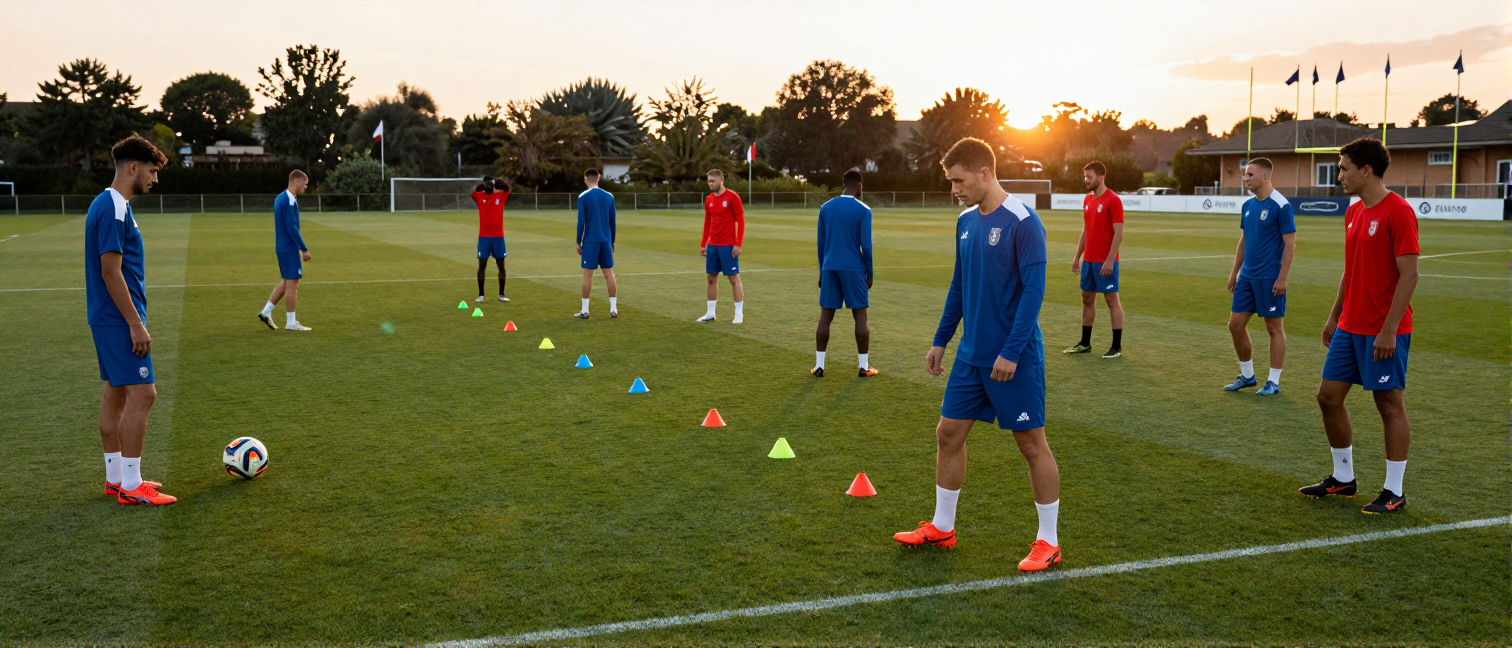
Beyond tactical adjustments, enhancing the mental resilience of the backline is crucial. A cohesive defensive unit must communicate effectively and maintain focus throughout the match. Regular team-building exercises and defensive drills can foster trust among defenders, ensuring that they are better organized and prepared to handle various attacking threats.
Conclusion
By adopting a back three, introducing a defensive midfielder, and instilling pressing triggers, Huesca can fortify its defense while still maintaining a potent attacking threat. These tactical tweaks not only aim to address current vulnerabilities but also build a more resilient team ready to tackle the challenges of the league. As Los Azulgranas look to regain their footing, these adjustments could prove pivotal in their quest for a successful season.