 Huesca Hub
Recent Tactical Observations
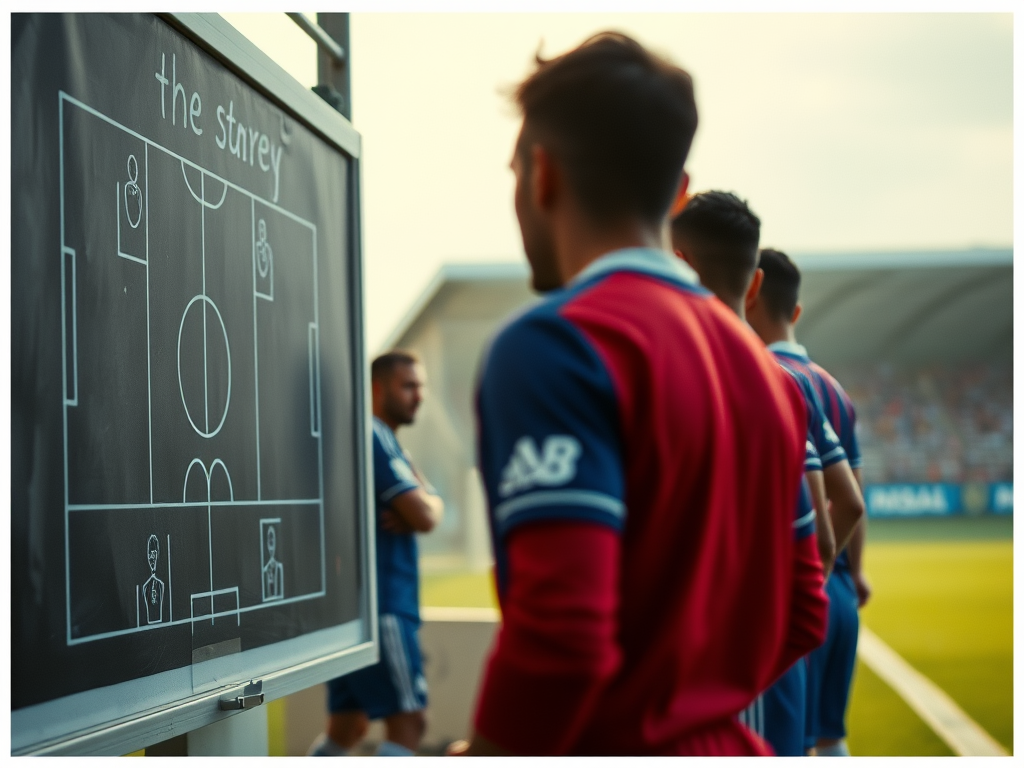
Huesca has demonstrated a commendable resilience in recent matches, reflecting an evolving tactical approach under their current management. The team's recent performances have indicated a solid defensive foundation, often employing a 4-2-3-1 formation that facilitates both defensive solidity and attacking flexibility. However, while this tactical setup has yielded some positive results, there are areas that warrant adjustment for improved consistency and effectiveness.
Midfield Dynamics
A noticeable aspect of Huesca's play has been the midfield's dual role in supporting both defense and attack. The pairing of the two holding midfielders has provided a layer of protection for the backline, yet their forward movements have often been limited, resulting in a lack of creativity in the final third. To address this, a potential tweak could involve one of the holding midfielders adopting a more advanced position, effectively transitioning to a 4-1-4-1 formation during attacking phases. This change would allow for increased support to the attacking trio, providing additional passing options and creating more goal-scoring opportunities.
Exploiting Width
Huesca's wingers have shown glimpses of their individual capabilities, yet their positional play could be optimized further. Encouraging wingers to stretch the play and exploit the flanks more aggressively could help create space for the central attacking players. By drawing defenders away from the center, Huesca can capitalize on one-on-one situations, which would not only improve their crossing opportunities but also facilitate cut-backs for arriving midfielders. This adjustment can be particularly effective against teams that sit deep, as it would force them to commit defensively, opening up gaps.
Defensive Structure
Defensively, Huesca has been relatively robust, but there have been instances of vulnerability during set pieces and counter-attacks. To shore up these weaknesses, a focused training regimen on defending set pieces could be beneficial. Additionally, implementing a more proactive approach when recovering possession is essential. Rather than sitting back after losing the ball, encouraging the team to initiate a high press could disrupt opponents' build-up play and foster immediate recovery of possession.
Utilizing Substitutions Wisely
Another area for improvement lies in the strategic use of substitutions. The current squad possesses a mix of youthful energy and experienced players, allowing for dynamic shifts in tactics during matches. Utilizing substitutions not just for fatigue management but as tactical adjustments can greatly influence the flow of the game. Introducing pacey wingers or a creative midfielder in the later stages of a match can exploit tired legs and create late-game opportunities.
Final Thoughts
In conclusion, while Huesca's recent form is promising, strategic adjustments can elevate their game further. By refining midfield dynamics, exploiting width, enhancing defensive organization, and utilizing substitutions more effectively, Los Azulgranas can harness the potential already present within the squad. As the season progresses, these tactical tweaks could prove invaluable in their quest for league success.